Lyme Disease in Dogs: Prevention, Treatment, and How to Source the Right Medicines
By GNH India on July 10, 2026
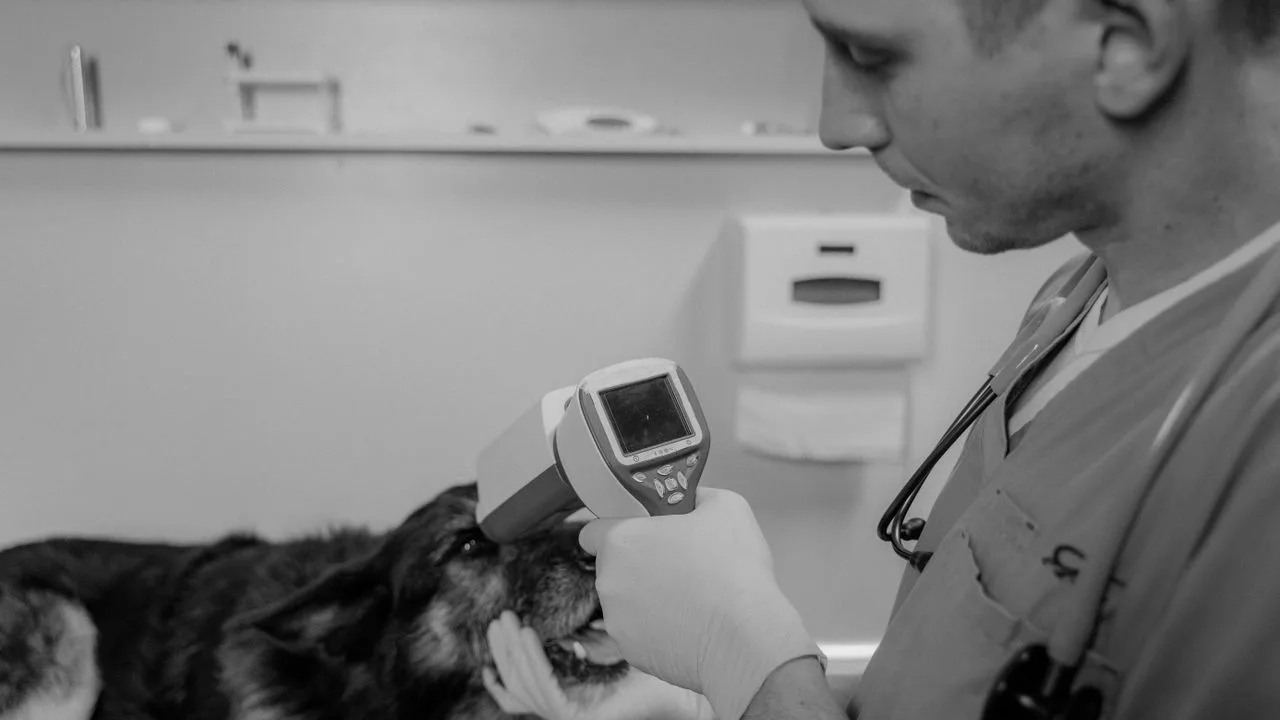
Lyme disease is one of the most common tick-borne infections affecting dogs worldwide. Caused by the bacterium Borrelia burgdorferi and transmitted through the bite of infected Ixodes ticks (commonly known as deer ticks or black-legged ticks), canine Lyme disease can lead to joint pain, kidney damage, and serious long-term health complications if left untreated.
The global prevalence of Lyme disease in dogs has risen steadily over the past decade, driven by expanding tick populations, changing climate patterns, and increased outdoor activity with pets. For veterinary pharmaceutical companies, animal health researchers, and procurement teams, this growing prevalence means rising demand for the antibiotics used to treat Lyme disease in dogs — particularly doxycycline, amoxicillin, and azithromycin — across markets where tick-borne diseases are endemic.
This guide covers the causes, symptoms, and treatment options for Lyme disease in dogs, along with the sourcing considerations that matter for businesses supplying veterinary medicines globally.
🔑 Key Takeaways
- Canine Lyme disease is caused by Borrelia burgdorferi, transmitted by Ixodes ticks that must feed for 36–48 hours to transmit infection.
- Only 5–10% of exposed dogs develop clinical signs; shifting lameness and joint swelling are the most common symptoms.
- The standard treatment is a 30-day antibiotic course, with doxycycline as the first-line choice.
- Lyme nephritis is a serious, potentially fatal kidney complication requiring long-term management.
- GNH India supplies doxycycline, amoxicillin, and azithromycin in multiple strengths and formulations for veterinary and pharmaceutical procurement worldwide.
What Causes Lyme Disease in Dogs
Lyme disease in dogs is caused by infection with the spirochete bacterium Borrelia burgdorferi. The bacterium is transmitted to dogs through the bite of an infected Ixodes tick — most commonly Ixodes scapularis (the black-legged tick) in North America and Ixodes ricinus (the castor bean tick) in Europe.
Transmission does not happen instantly. A tick typically needs to remain attached and feeding for 36 to 48 hours before the bacterium is transferred to the host. This is why early tick removal and consistent tick prevention are critical components of Lyme disease management.
Geographically, Lyme disease in dogs is most prevalent in the northeastern and upper midwestern United States, parts of Canada, and across much of northern and central Europe. However, the geographic range of Ixodes ticks continues to expand, and veterinary professionals are now diagnosing cases in regions previously considered low-risk.
Symptoms of Lyme Disease in Dogs
One of the challenges with Lyme disease in dogs is that many infected animals remain asymptomatic. Studies suggest that only 5 to 10 percent of dogs exposed to Borrelia burgdorferi develop clinical signs. When symptoms do appear, they typically emerge two to five months after the tick bite and may include:
- Musculoskeletal signs such as intermittent or shifting lameness (the dog favouring different legs on different days), swollen and painful joints, and a stiff or arched gait. These are the most commonly reported symptoms and often prompt veterinary consultation.
- Systemic signs including fever, lethargy, reduced appetite, and swollen lymph nodes near the site of the tick bite.
- Kidney involvement (Lyme nephritis) is a serious and potentially fatal complication. Dogs with Lyme nephritis may develop protein loss through the kidneys, leading to swelling in the limbs, vomiting, weight loss, and eventually kidney failure. Certain breeds, including Labrador Retrievers and Golden Retrievers, appear to be at higher risk.
Diagnosis typically involves a combination of clinical history, physical examination, and laboratory testing. The most widely used screening tool is the SNAP 4Dx or similar ELISA-based test, which detects antibodies to the C6 peptide of Borrelia burgdorferi. A positive result indicates exposure but does not confirm active disease. The Quantitative C6 (QC6) test measures antibody levels and helps veterinarians assess whether treatment is warranted and monitor response over time.
Lyme Disease in Dogs Treatment: Medicines Used
The standard treatment for Lyme disease in dogs is a 30-day course of antibiotics. Most dogs with joint or limb symptoms show improvement within 24 to 48 hours of starting antibiotic therapy, although the full course must be completed to reduce the risk of persistent infection.
Antibiotic Treatment Options
| Medicine | Drug Class | Role in Treatment | Typical Course |
|---|---|---|---|
| Doxycycline | Tetracycline | First-line treatment of choice | 10 mg/kg orally, once or twice daily for 30 days |
| Amoxicillin | Penicillin | Second-line alternative (for doxycycline-sensitive dogs) | 20 mg/kg orally, twice or three times daily for 30 days |
| Azithromycin | Macrolide | Third-line alternative | Dosage as directed by veterinary professional |
Doxycycline is the antibiotic of choice for Lyme disease in dogs, as recommended by the American College of Veterinary Internal Medicine (ACVIM). It is effective against Borrelia burgdorferi and also covers co-infections with other tick-borne pathogens such as Anaplasma and Ehrlichia, which are transmitted by the same tick species. Doxycycline is available in multiple oral formulations including tablets, capsules, and delayed-release tablets. GNH India supplies doxycycline across several strengths and formulations, including Doxycycline Hyclate 200mg Delayed Release, Doxrid 100 (Doxycycline 100mg), and Doxicip-100 Capsules.
Amoxicillin is the recommended alternative for dogs that cannot tolerate doxycycline. As a penicillin-class antibiotic, amoxicillin is well-established in both human and veterinary medicine and is effective against Borrelia burgdorferi, although it does not cover co-infections with Anaplasma or Ehrlichia. GNH India supplies amoxicillin in multiple formulations, including Amoxicillin 500mg Capsules and Amoxil (Amoxicillin).
Azithromycin is a macrolide antibiotic used as a third-line option for Lyme disease in dogs. While less commonly prescribed than doxycycline or amoxicillin for canine Lyme, azithromycin may be considered in specific clinical scenarios where the first two options are not suitable. GNH India supplies azithromycin in tablet and suspension forms, including Azithromycin 500mg Film-Coated Tablets and Zaraxin (Azithromycin).
Supportive Care
Beyond antibiotics, dogs with Lyme disease may require supportive treatment depending on disease severity:
- Pain management with veterinary-approved analgesics for dogs experiencing joint swelling and discomfort
- Intravenous fluid therapy and renal support for dogs diagnosed with Lyme nephritis
- Immunosuppressive therapy in cases involving immune-mediated complications
- Ongoing monitoring through repeat QC6 testing to assess treatment response and confirm declining antibody levels
Dogs with early-stage Lyme disease typically have a good prognosis with timely antibiotic treatment. However, dogs with Lyme nephritis face a guarded to poor prognosis and often require long-term medical management.
Prevention of Lyme Disease in Dogs
Prevention is the most effective strategy against Lyme disease in dogs and relies on three primary approaches:
- Tick prevention products are the frontline defence — oral tick preventatives (such as isoxazoline-class drugs), topical acaricides, and tick-repellent collars. Consistent, year-round use is recommended in endemic areas, combined with regular tick checks after outdoor activity.
- Lyme vaccination is available for dogs at high risk of exposure. The vaccine does not prevent tick bites but helps the immune system neutralise Borrelia burgdorferi before it can cause infection. The initial series consists of two doses given two to four weeks apart, followed by annual boosters.
- Environmental management — keeping lawns trimmed, removing leaf litter, and creating barriers between wooded areas and dog play areas can reduce tick exposure around homes and kennels.
Sourcing Lyme Disease Medicines for Veterinary and Pharmaceutical Use
For businesses involved in veterinary pharmaceutical supply, animal health research, or clinical development, sourcing the antibiotics used to treat Lyme disease in dogs presents several practical considerations:
- Cross-border procurement. Doxycycline, amoxicillin, and azithromycin are widely manufactured, but sourcing specific strengths, formulations, or branded versions across international borders requires a supplier with established regulatory pathways and global logistics capabilities.
- Bulk supply for veterinary networks. Veterinary hospital groups, clinic chains, and animal health companies operating across multiple markets often need centralised procurement of antibiotics in consistent formulations and packaging.
- Clinical trial and research needs. Animal health CROs and research institutions conducting tick-borne disease studies require comparator drugs, reference listed drugs, and specific formulations that may not be readily available through standard veterinary supply channels.
- Regulatory documentation. Cross-border pharmaceutical shipments require complete documentation including Certificates of Analysis (COA), Certificates of Origin (CoO), and Material Safety Data Sheets (MSDS). A supplier that provides these as standard reduces friction in the procurement process.
GNH India: Your Pharmaceutical Supplier for Antibiotic Medicines
GNH India is a WHO-GSDP certified global pharmaceutical supplier with dedicated capabilities in named patient supply, clinical trials supply, and orphan drug supply. With shipping to over 180 countries and a catalogue of more than 6,700 pharmaceutical products, GNH India supports procurement teams and pharmaceutical businesses in sourcing essential medicines globally.
Lyme disease treatment medicines available through GNH India include:
- Doxycycline in multiple strengths and formulations: Doxycycline Hyclate 200mg Delayed Release Tablets, Doxrid 100 (100mg), Doxicip-100 Capsules, and Doxycycline 50mg Tablets.
- Amoxicillin across branded and generic options: Amoxicillin 500mg Capsules, Amoxil (Amoxicillin), and Amoxicillin 250mg Capsules.
- Azithromycin in tablet and suspension forms: Azithromycin 500mg Tablets, Zaraxin (Azithromycin), and Azithromycin 200mg/5ml Suspension.
GNH India's supply infrastructure is built for the requirements of global pharmaceutical procurement, backed by ISO 9001:2015 certification, WHO Good Storage and Distribution Practices (GSDP) compliance, and licensing from FDA Maharashtra and DGFT.
Request a Quote
If your organisation needs to source doxycycline, amoxicillin, azithromycin, or other antibiotic medicines for veterinary pharmaceutical supply, clinical research, or global procurement, GNH India can help — contact the team at [email protected] / +91 22 6270 6900.
Request a QuoteDisclaimer: This article is intended for informational purposes only and does not constitute veterinary medical advice, diagnosis, or treatment recommendations. All treatment decisions for animals should be made in consultation with a qualified veterinary professional. All product names, brand names, trademarks, and registered trademarks are the property of their respective owners. Organisations should verify regulatory requirements applicable to their specific market before procurement.